
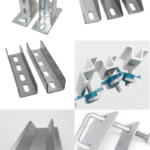
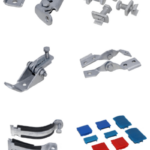
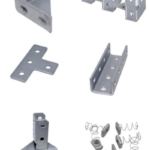
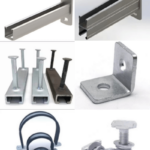
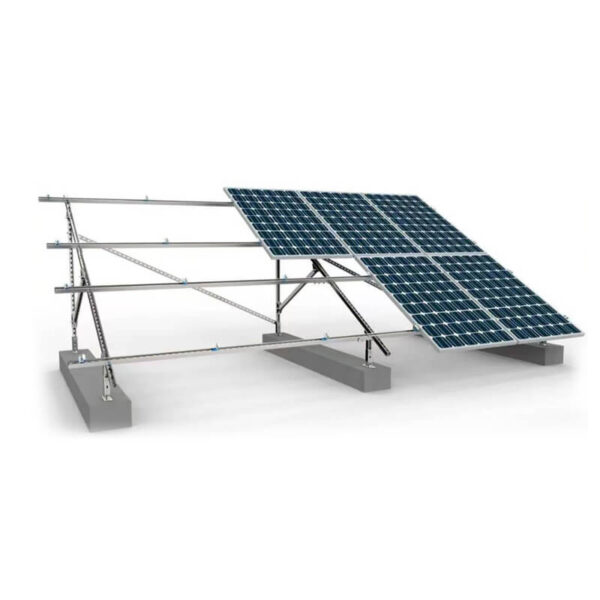
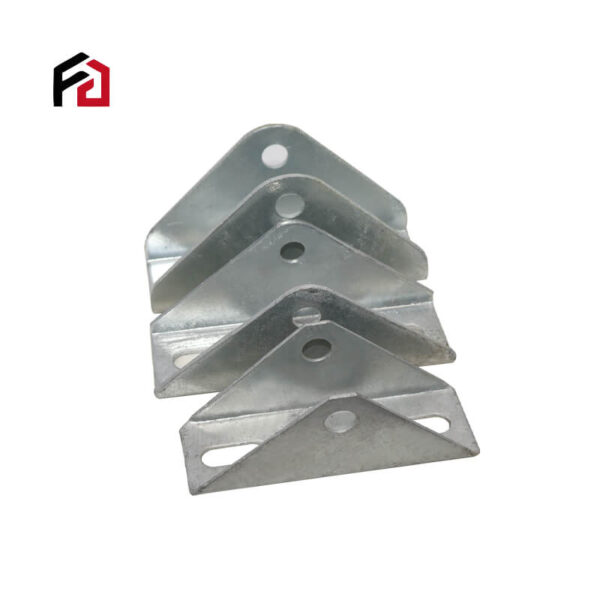
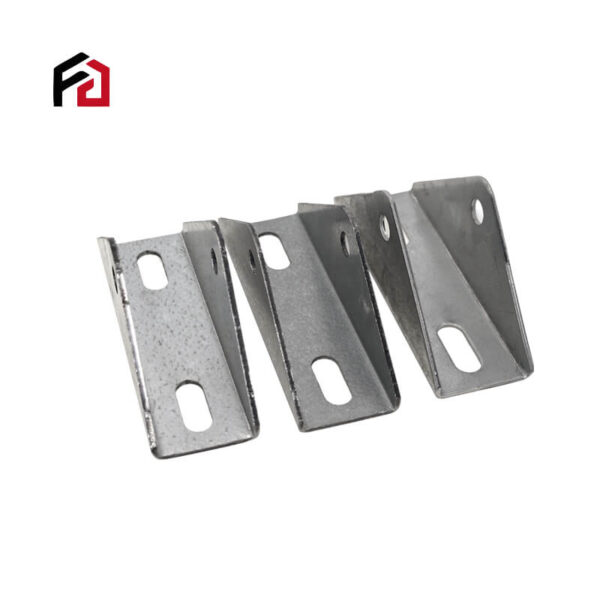
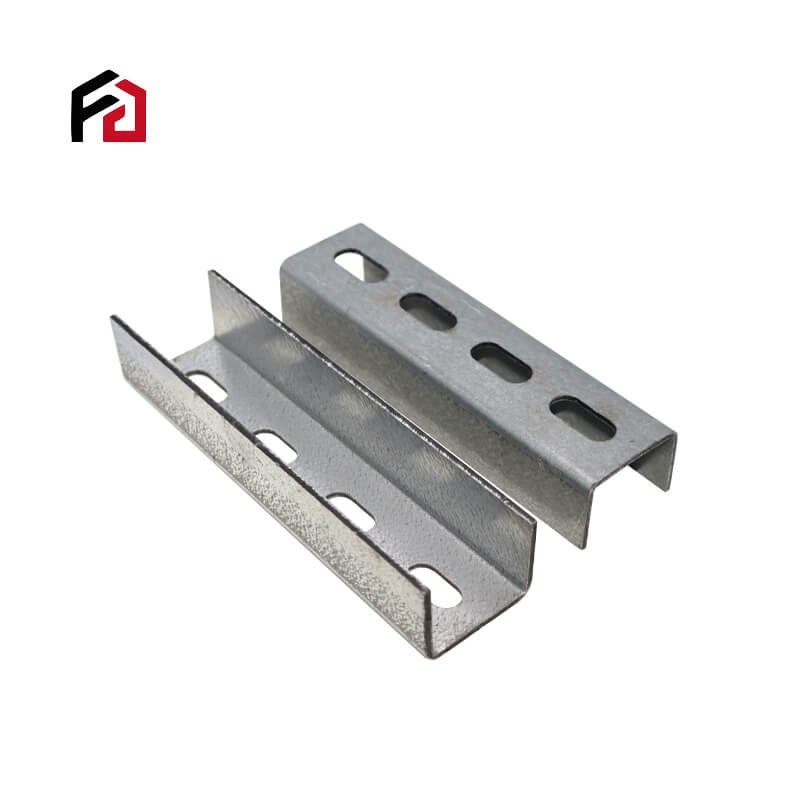
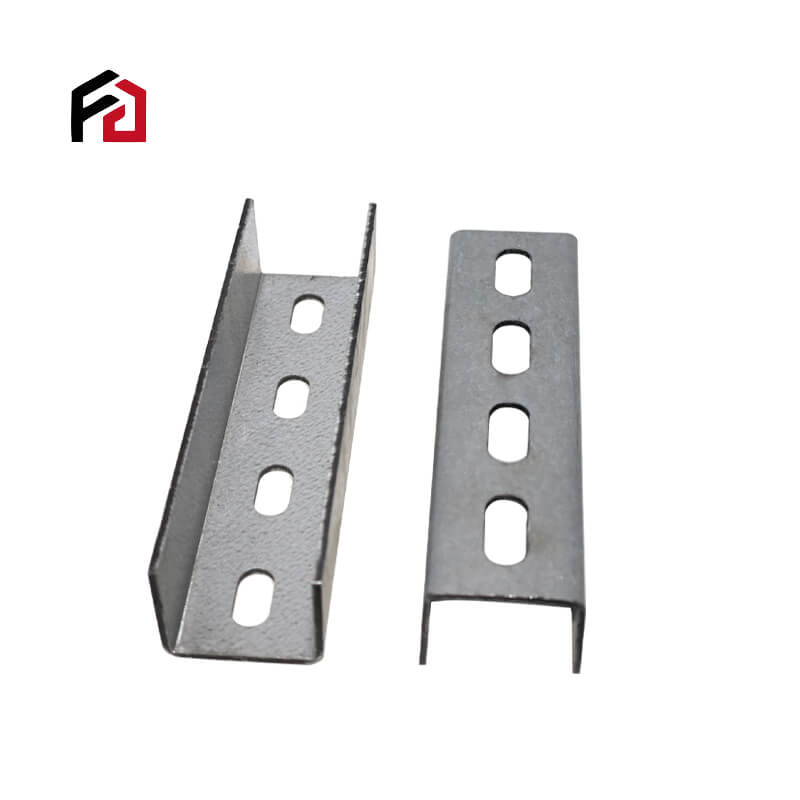
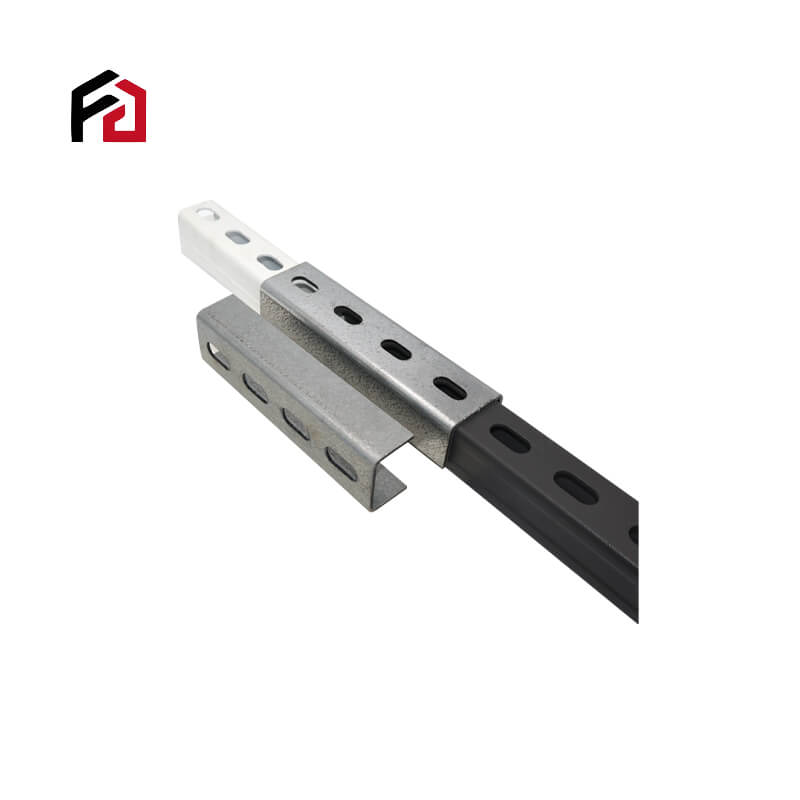
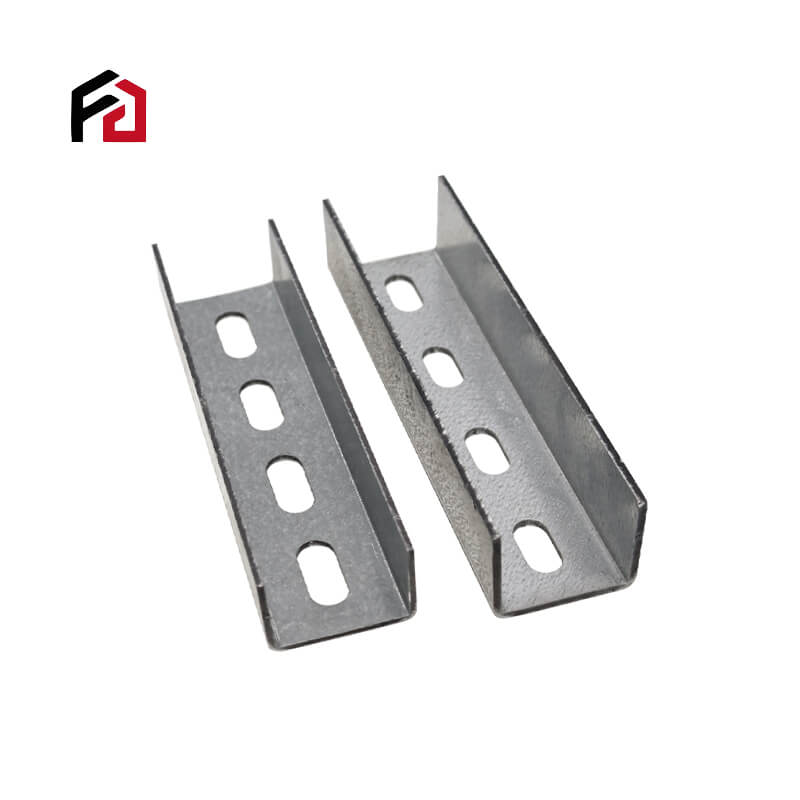
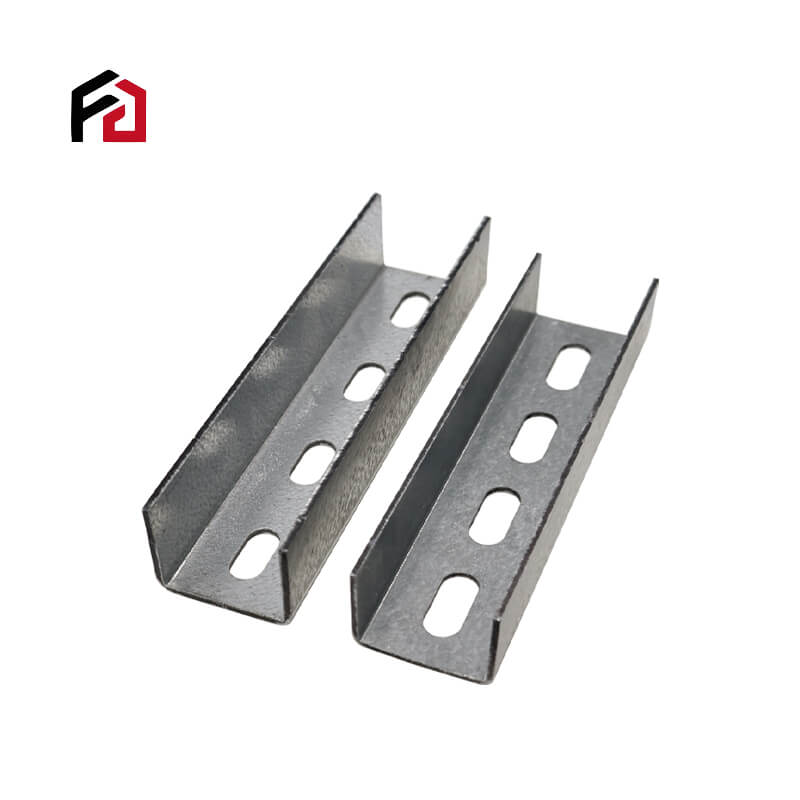
Zinc-aluminum-magnesium external connectors are indispensable key components in the photovoltaic mounting system, which are designed to realize the stable connection and extended use of the support, and play an important role in the construction of photovoltaic power plants with high-quality materials, exquisite structure and excellent performance.
Material and process: The connector is made of high-quality zinc-aluminum-magnesium alloy coated steel as raw material. Zinc-aluminum-magnesium alloy coating is an upgrade on the basis of traditional galvanization, through a special metallurgical process, zinc, aluminum, magnesium and other elements are scientifically proportioned and evenly attached to the surface of the steel to form a dense and strong binding protective layer. This coating not only provides the sacrificial anode protection of zinc, but also incorporates the oxidation resistance of aluminum and the corrosion resistance of magnesium, greatly improving the overall corrosion resistance of the steel.
During the production process, the raw materials undergo strict quality testing to ensure that their mechanical properties meet the standards. Subsequently, it is processed by high-precision stamping and forming process, and the pressure, speed and other parameters are strictly controlled during the stamping process to ensure the dimensional accuracy and structural integrity of the connector, avoid deformation, cracks and other defects, and lay a solid foundation for subsequent connection use.
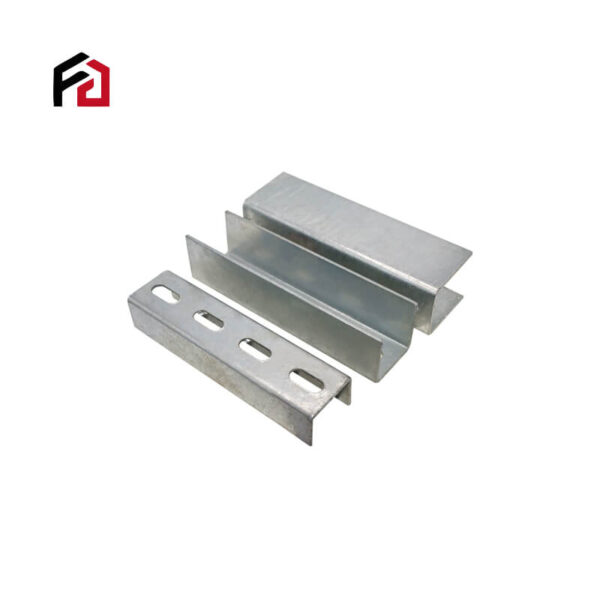
Structural designThe structural design of the zinc-aluminum-magnesium external connector fully considers the connection needs of the photovoltaic bracket, and its most significant feature is that it is equipped with four precise punching holes. The position, size, and spacing of these four punches have been carefully calculated to fully fit the standard mounting holes of mainstream PV brackets on the market.
Ease of installation: Four precise punched holes make it easy to install. The construction personnel only need to align the connector with the corresponding hole position of the photovoltaic bracket and fix it through bolts and other fasteners, without complex on-site processing or adjustment, which greatly improves the installation efficiency and shortens the construction period.
Extend the service life of the bracket: Due to the excellent corrosion resistance and connection stability of the connector, it can effectively reduce the problem of bracket damage caused by rust and loosening of the connection part. Through reliable connection, the multi-section photovoltaic bracket forms a whole and bears the load together, which prolongs the service life of the entire photovoltaic bracket system and reduces the maintenance cost and replacement frequency in the later stage.
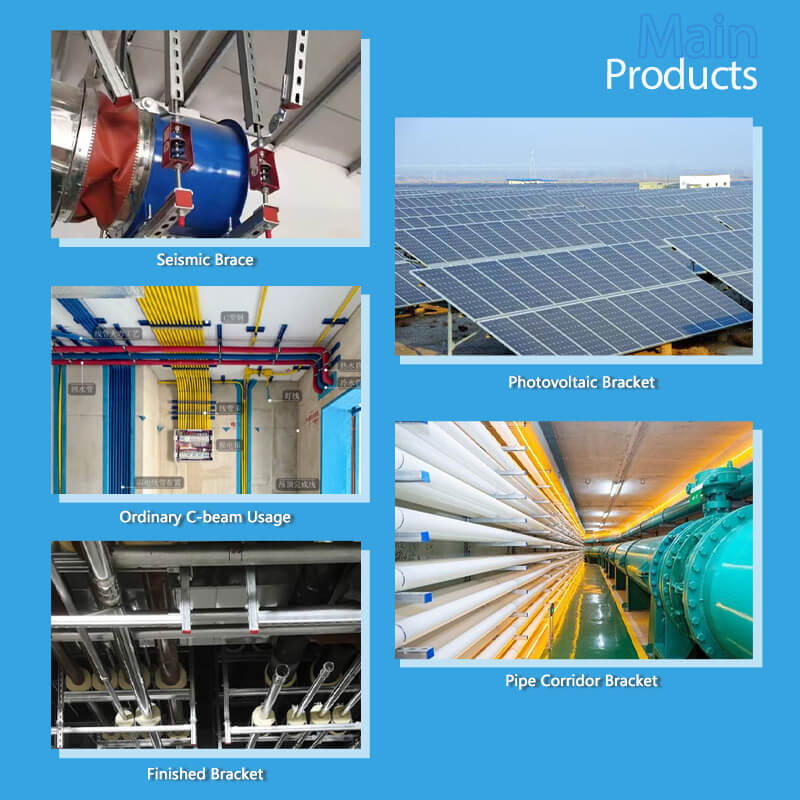
Applicable scenarios: Zinc-aluminum-magnesium external connectors are widely used in various photovoltaic power station projects, including large-scale ground photovoltaic power stations, rooftop distributed photovoltaic power stations, and agricultural-photovoltaic complementary photovoltaic power stations.
In a large-scale ground-mounted photovoltaic power station, due to the large area of the photovoltaic array, a large number of brackets are required for splicing and extension, and the connector can ensure the stable connection between the brackets of each section and adapt to the installation needs of the vast site;
In the rooftop distributed photovoltaic power station, it will not cause excessive burden on the roof structure, and at the same time, it can flexibly cope with the complex layout of the roof and realize the reasonable extension of the support. In the face of the humid environment in the field and the possible erosion of pesticides and fertilizers, its excellent corrosion resistance plays an important role in ensuring the long-term stable operation of the support system.
In short, with its high-quality materials, exquisite structure and excellent performance, zinc-aluminum-magnesium external connectors have become an ideal choice for the extended use of photovoltaic brackets, providing a strong guarantee for the safe, stable and efficient operation of photovoltaic power plants.

Reviews
There are no reviews yet.