
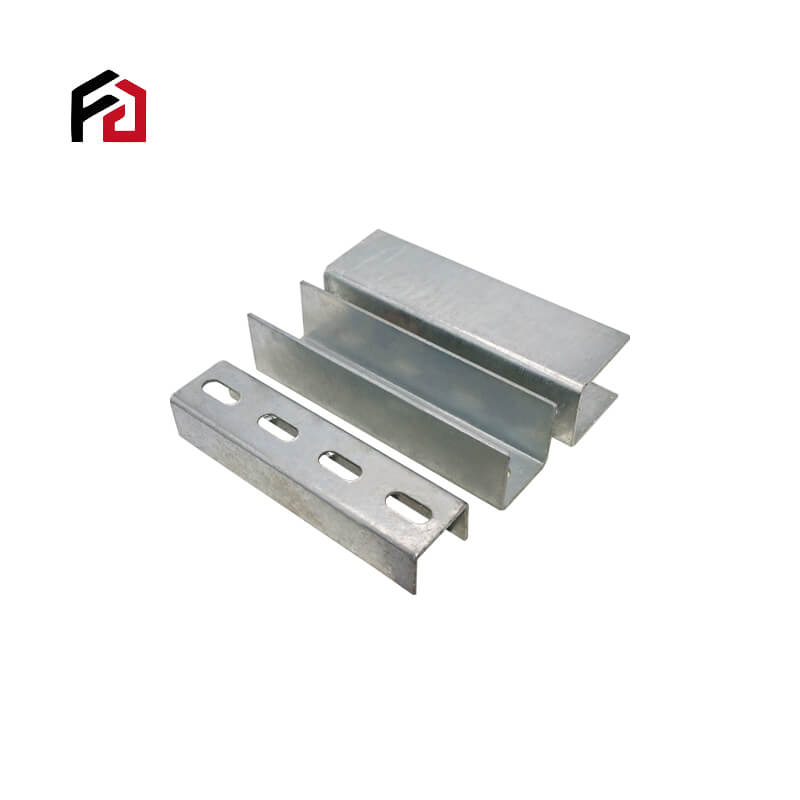
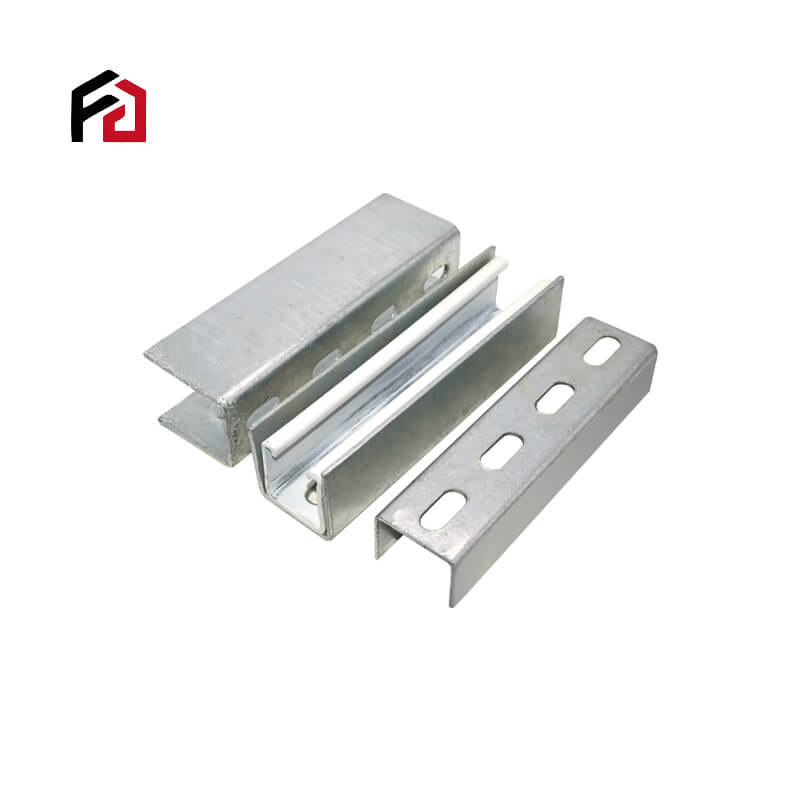
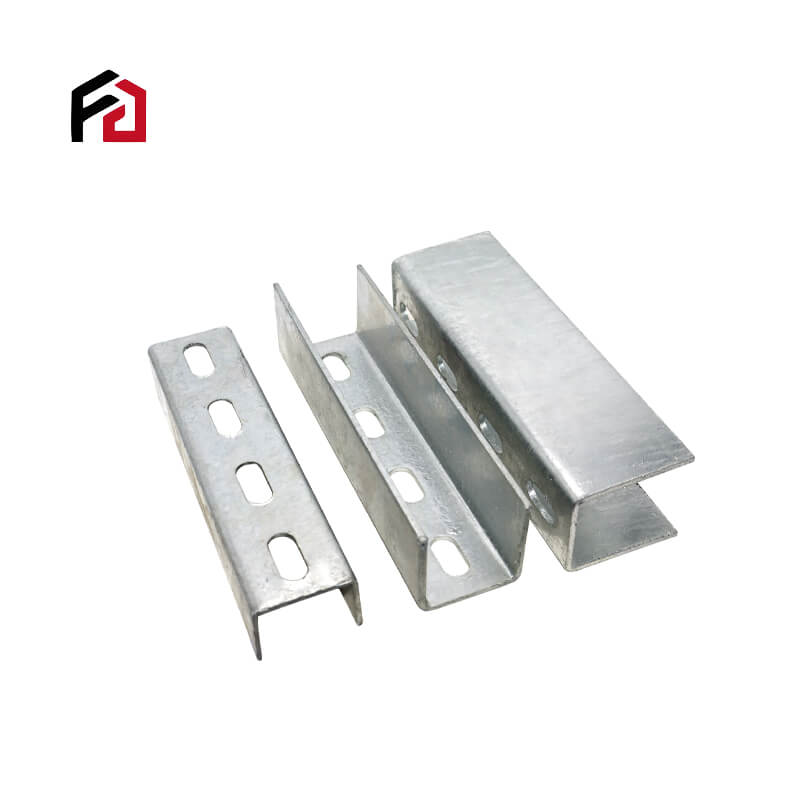
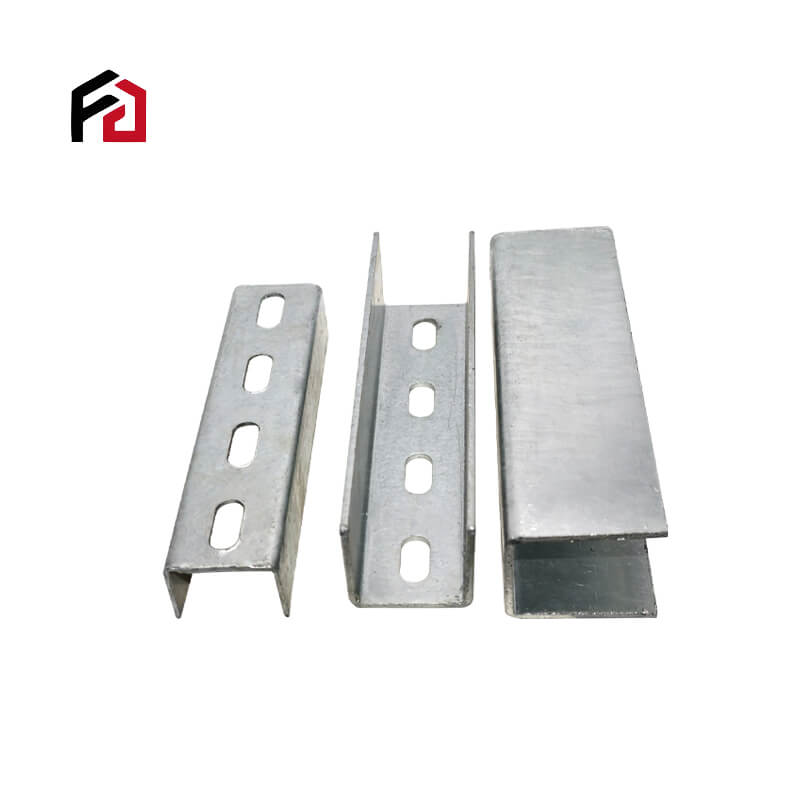
Hot-dip galvanized outer connection
First, the principle of hot-dip galvanizing process
Hot-dip galvanizing is to immerse the steel components that have been pickled and rusted into 450°C high-temperature zinc liquid, and form a zinc-iron alloy layer through physical and chemical reactions, which is metallurgically combined with the steel matrix. According to the standard, the zinc layer of thin plate below 5mm ≥ 65μm, and the thick plate ≥ 86μm, providing reliable protection for steel.
Second, the core features of the product
Super anti-corrosion
Double protection: the zinc layer preferentially corrodes (sacrificial anode), and the dense zinc layer isolates moisture, oxygen, etc. (barrier protection), even if the zinc layer is slightly damaged, it can still protect the steel matrix.
Wide environmental adaptability: excellent performance in atmosphere, humidity, high salt and other environments.
Resistant to damage and long life
The hot-dip galvanized layer has strong toughness and wear resistance, and its resistance to handling and collision is better than that of ordinary electrogalvanizing. In common environments, it can provide decades of protection, and the zinc layer of photovoltaic and C-channel special products is thicker, and in the case of a photovoltaic power plant, there is almost no corrosion after years of use, which greatly reduces maintenance costs.
Third, the main product types
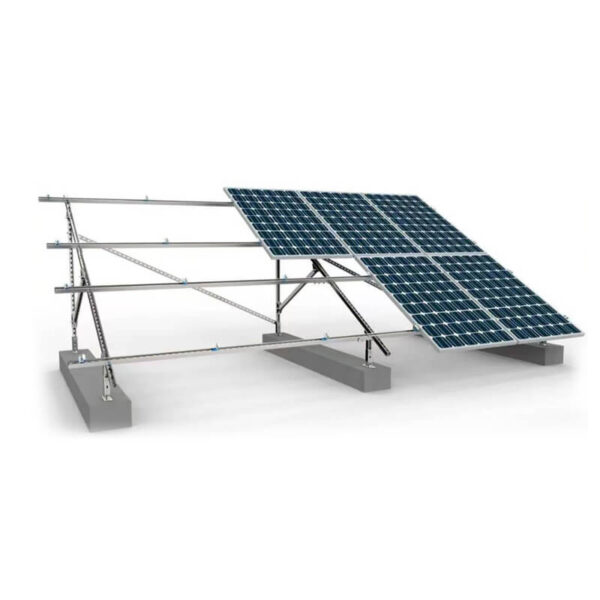
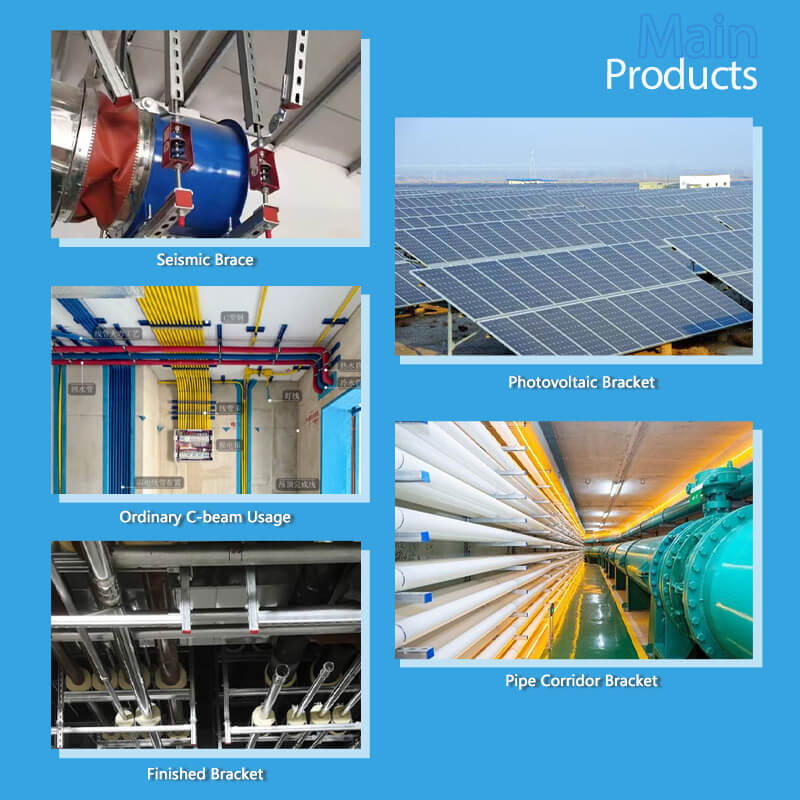
It is widely used in the extension of photovoltaic brackets, which can ensure the stability of the system in strong wind areas.
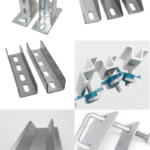
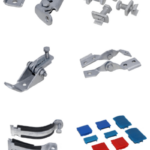
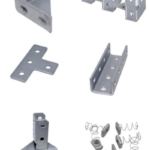
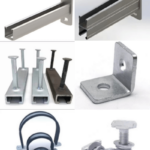
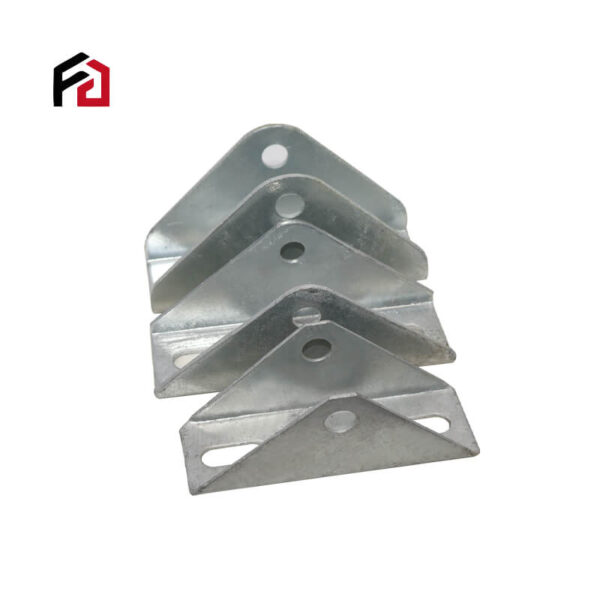
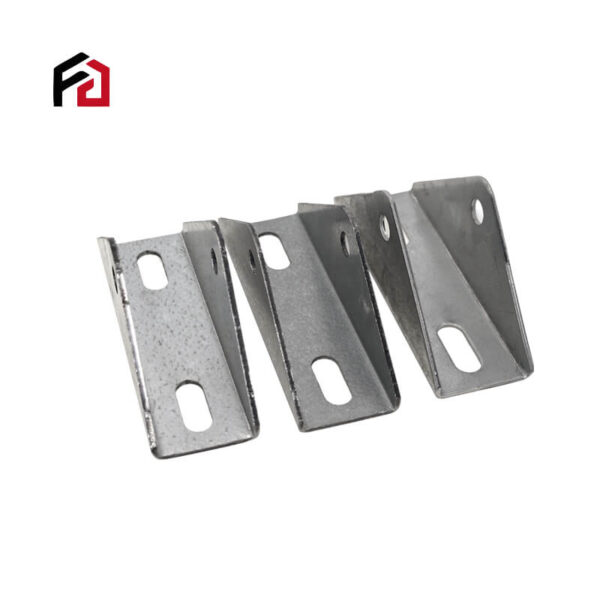
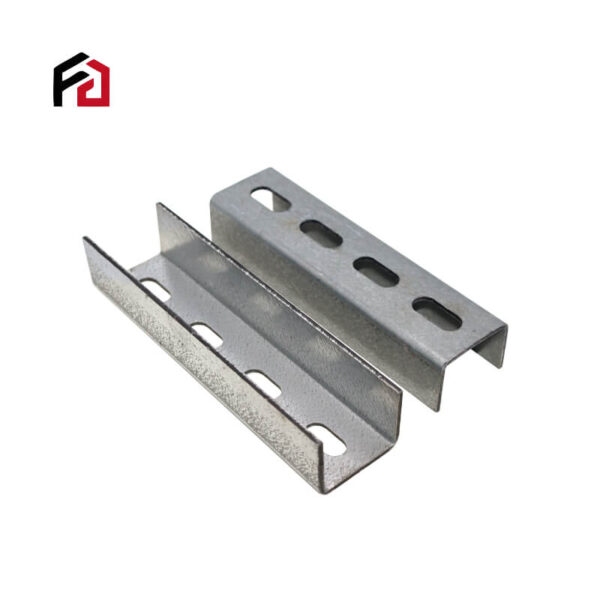
Hot-dip galvanized outer connection
It is a metal sheet with connecting holes, which is used in conjunction with bolts to increase the contact area and distribute stress. It is often used to extend the length of the C channel, so that the multi-section C channel splicing is stable, which is efficient and reliable in the frame construction of large-scale photovoltaic power plants.
Fourth, the application advantages
Hot-dip galvanized outer connection Adaptation to photovoltaic brackets
High strength ensures that the connection nodes are firm, resists strong winds, heavy rains, etc., and maintains the stability of the system. In different environments such as deserts, coastals, and plateaus, it can resist corrosion, high and low temperatures, and ensure efficient power generation of power stations.
C-channel connection scheme(Hot-dip galvanized outer connection)
The C-channel is extended with connecting tabs and bolts, which is easy to operate and does not require special tools, increasing construction efficiency. The strength of the connection part is equivalent to that of the C channel, which ensures the integrity of the structure and has good performance in bearing axial force and lateral force.
Application cases
Large-scale ground photovoltaic power station: In the desert edge project, the hot-dip galvanized external connection product resists the dry, sandy and temperature environment, and the zinc layer is intact after several years of operation, and the support is stable to ensure power generation.
Distributed PV Building Integration: It is used to connect to the C channel in the urban commercial area project to meet the needs of convenient installation and compact structure under limited roof space, and the bracket has been used for many years without damage, providing stable and clean energy.

Reviews
There are no reviews yet.